

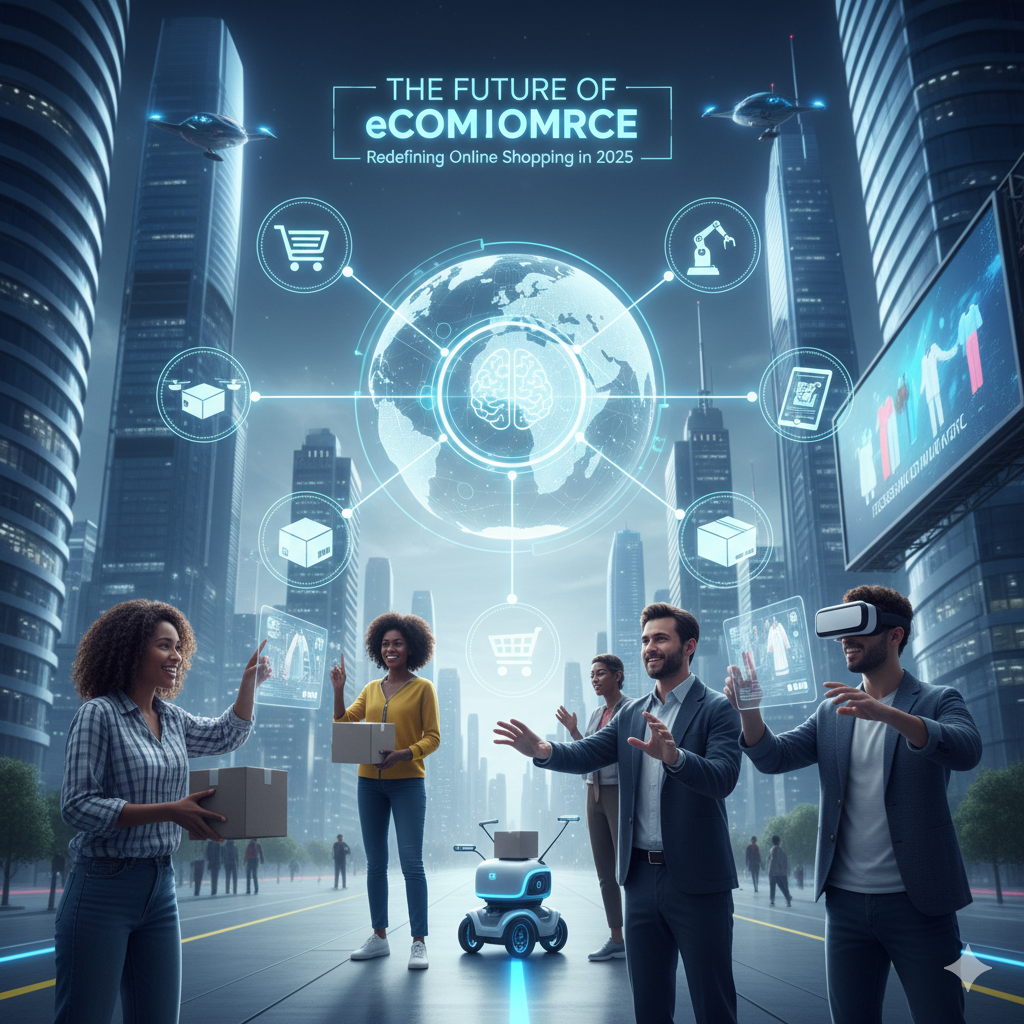
Introduction: The Rise of Smart eCommerce
The eCommerce world has changed drastically in just a few short years. From basic online stores to highly personalized shopping ecosystems, digital commerce has evolved into an intelligent and automated experience.
As we move further into 2025, technologies like Artificial Intelligence (AI), Machine Learning (ML), and automation are at the heart of this transformation. They’re not just enhancing customer experience—they’re optimizing operations, boosting sales, and enabling brands to scale faster than ever.
Let’s explore how AI and automation are reshaping the eCommerce industry and what it means for businesses that want to stay ahead of the curve.
1. AI-Powered Personalization: The New Standard of Shopping
Personalization used to mean showing “recommended” products based on browsing history. In 2025, it’s far more sophisticated.
AI now analyzes real-time user behavior, purchase intent, mood, and even voice tone (in smart assistants) to deliver a completely personalized experience.
Examples of AI-Powered Personalization:
- Dynamic product recommendations: AI predicts what customers will want before they search for it.
- Personalized landing pages: Websites now adapt in real time based on who’s visiting.
- Custom pricing: Some platforms use AI-driven pricing models to offer discounts dynamically based on customer loyalty or browsing patterns.
This level of personalization creates stronger emotional connections and drastically increases conversion rates—turning casual browsers into repeat buyers.
2. Chatbots and AI Assistants: Revolutionizing Customer Support
Gone are the days of “Please hold while we transfer your call.”
AI-driven chatbots are available 24/7, providing instant support and resolving 80% of common queries without human intervention.
Today’s chatbots aren’t just rule-based—they’re conversational and contextual. Powered by Natural Language Processing (NLP), they understand tone, emotion, and context, creating a human-like experience.
How Businesses Benefit:
- Reduced response time from hours to seconds.
- Lower operational costs (fewer human agents required).
- Higher customer satisfaction, as users receive immediate answers.
Brands like Amazon, Sephora, and H&M have already integrated AI assistants that not only help customers but also upsell products naturally during chats.
3. Predictive Analytics: Turning Data into Profit
AI thrives on data—and eCommerce generates tons of it. Predictive analytics uses this data to forecast future trends, demand, and customer behavior.
For example, AI can predict which products will go out of stock, when a customer might make a repeat purchase, or even which items should be promoted during specific times of the year.
Key Benefits:
- Inventory Optimization: Avoid overstocking or understocking.
- Smarter Marketing Campaigns: Run ads when customers are most likely to buy.
- Improved Customer Retention: Identify at-risk customers and engage them proactively.
Predictive AI helps eCommerce brands make data-driven decisions rather than relying on guesswork.
4. Automation in Order Fulfillment and Logistics
Automation isn’t just about marketing—it’s transforming the entire supply chain.
Modern eCommerce companies now use robotic warehouses, AI-powered delivery optimization, and automated inventory tracking to fulfill orders faster and more accurately.
Examples:
- Amazon Robotics: Uses AI-driven robots for packing and dispatching.
- Automated Delivery Drones: Companies like Wing and Zipline are testing drone-based delivery systems.
- Smart Inventory Systems: These automatically reorder products when stock is low.
The result?
- Faster deliveries
- Lower operational costs
- Minimal human error
Automation ensures that the “buy now” experience is truly instant—right from cart to customer doorstep.
5. AI-Driven Marketing: Smarter Campaigns, Better ROI
Digital marketing is no longer manual guesswork—it’s a science powered by AI.
AI tools now handle everything from ad targeting and budget optimization to content creation and SEO strategy.
Popular AI Applications in Marketing:
- Ad Optimization: Platforms like Google Ads and Meta use AI to automatically adjust bids and placements for maximum ROI.
- Content Generation: Tools like ChatGPT and Jasper help brands create SEO-rich blog posts and ad copy instantly.
- Email Automation: AI segments audiences and sends personalized emails at the perfect time.
This means businesses can run highly targeted campaigns with minimal manual effort—and see measurable results faster.
6. Visual Search and Voice Commerce
In 2025, shopping isn’t limited to typing in a search bar.
Consumers can now:
- Upload an image to find similar products (visual search)
- Use smart assistants like Alexa or Google Assistant to make purchases (voice commerce)
Example:
A user can simply say, “Alexa, buy me running shoes like the ones I saw yesterday,” and the AI identifies the right product using visual and contextual data.
This seamless integration of AI into everyday life is making eCommerce more intuitive than ever before.
7. Fraud Detection and Cybersecurity with AI
With increased online transactions comes the risk of fraud. AI is now the first line of defense for eCommerce security.
Using machine learning algorithms, systems can detect unusual transaction patterns, fake reviews, and potential fraud attempts in real time.
This helps protect both consumers and businesses from data breaches and financial loss.
AI in Action:
- Behavioral biometrics track user patterns to detect bots.
- AI credit scoring prevents fraudulent purchases.
- Advanced encryption and threat prediction ensure safer online payments.
8. Sustainability Through Smart Automation
Sustainability is no longer optional—it’s a customer demand.
AI and automation are helping eCommerce brands adopt eco-friendly practices such as:
- Route optimization to reduce carbon emissions.
- Smart packaging that minimizes waste.
- Sustainable product recommendations based on customer values.
AI ensures that businesses can be both profitable and environmentally responsible—a combination that modern shoppers truly appreciate.
9. The Human Touch: Balancing AI and Authenticity
While AI brings efficiency, the human touch remains vital in building trust.
Successful eCommerce brands in 2025 are finding the balance between automation and authenticity—using AI for repetitive tasks while ensuring customer interactions still feel personal and real.
Key Strategies:
- Use AI to analyze, but humans to connect.
- Add human stories and emotion-driven branding.
- Personalize post-purchase follow-ups with genuine appreciation.
10. The Road Ahead: Preparing for the AI-Driven Future
As technology continues to evolve, eCommerce will become even more intelligent, personalized, and efficient.
The next phase of innovation may include:
- Hyper-personalized digital twins for every shopper.
- Augmented Reality (AR) shopping experiences in the metaverse.
- Decentralized AI marketplaces using blockchain for transparency.
For eCommerce businesses, the message is clear: adapt now or risk falling behind.
AI and automation aren’t just trends—they’re the foundation of the future digital economy.
Conclusion:
The future of eCommerce is smart, data-driven, and human-centered.
AI and automation are revolutionizing every stage of the customer journey—from discovery to delivery—creating experiences that are faster, more personal, and more efficient than ever.
Businesses that embrace these technologies in 2025 will not only gain a competitive edge but will also define the next generation of digital commerce.
Leave a Reply